Luxury Yacht Charter in Monaco: A 2026 American Traveler's Guide to Comparing Classic Yachts vs. Superyachts
Luxury Yacht Charter in Monaco: A 2026 American Traveler's Guide to Comparing Classic Yachts vs. Superyachts
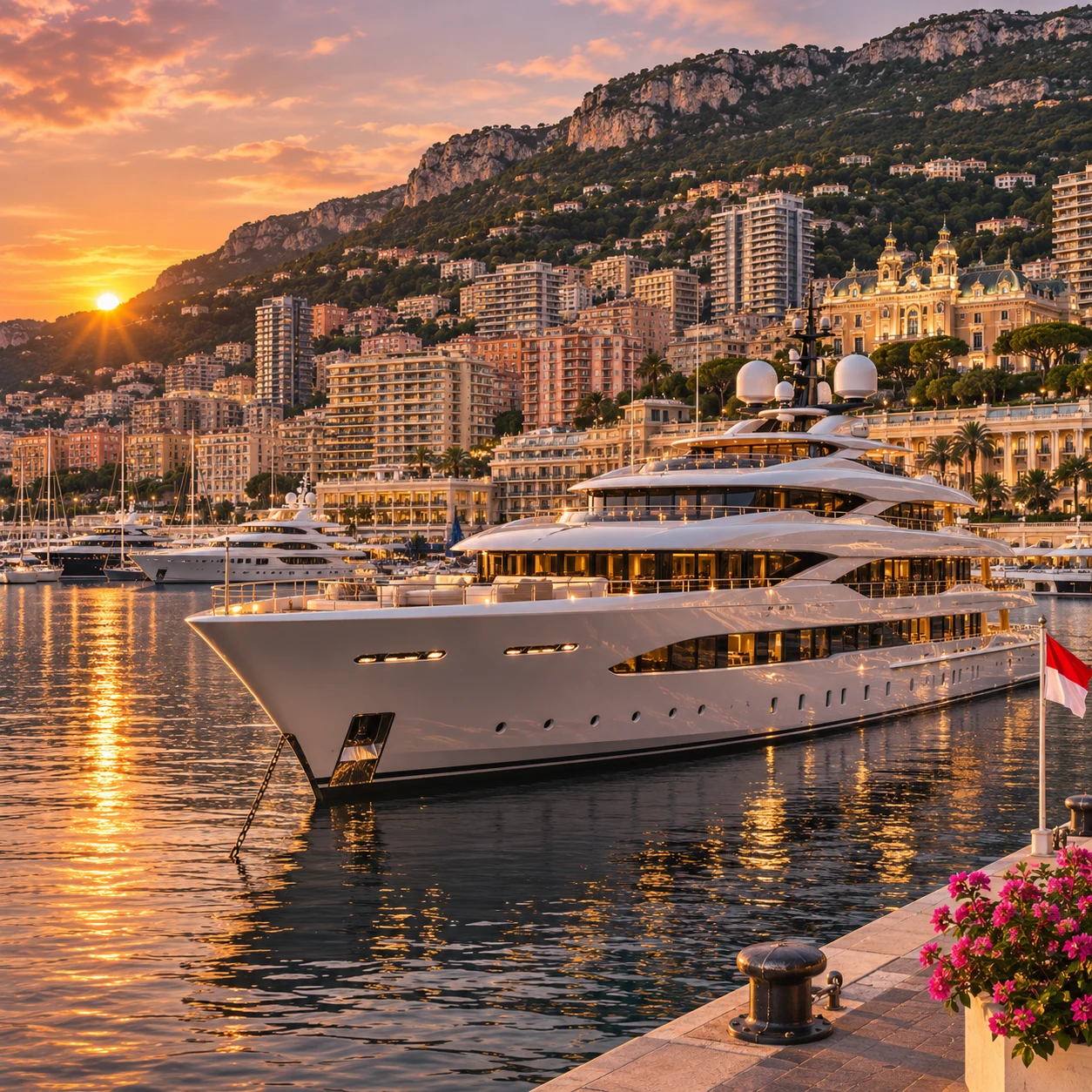
Flying into Nice Côte d'Azur? That's the easy part. Twenty minutes down the coast road, past the corniche turnoffs and the last of the airport traffic, and you're standing on the quay at Port Hercule watching other people's boats rock in the afternoon light. That's when it hits most American travelers — the yacht you booked, or didn't think through carefully enough, decides the entire shape of the trip. Not the hotel in Cannes. Not the dinner reservation in Saint-Tropez. The hull.
For 2026 that calculus has shifted in ways worth paying attention to. Berth space is tighter than it's been in years, the summer calendar fills faster, and the gap between what a restored classic and a modern superyacht actually deliver has never been wider. So this guide tackles three things: what each type of yacht gives you in practice, how to match a hull to the itinerary in your head, and what the real cost looks like once you're past the headline rate.
Why Monaco Is Still the Smartest Starting Point for a 2026 Riviera Itinerary
Geography is the whole argument. From Monaco you can be anchored off Villefranche in under half an hour, off Saint-Jean-Cap-Ferrat twenty minutes after that, and in Cannes or Antibes before lunch. Italy's Ligurian coast — Sanremo, Imperia, eventually Portofino — sits a day's cruise east. No other base puts that much variety inside a single tank of fuel.
The practical side matters just as much. Port Hercule is the deep-water showpiece, the one you've seen in every photograph, and it handles larger vessels without complaint. Port de Fontvieille around the rock is quieter, often easier for smaller hulls. Both get squeezed hard in summer, and two windows in particular — the Grand Prix in late May and the Monaco Yacht Show in September — can wipe out a full week of availability and push rates up across the entire region. If your dates overlap either one, build your plan around them, not against them.
What American Travelers Get Wrong About Monaco Logistics
Three things come up again and again. First, time zones: you're nine hours ahead of the West Coast and six ahead of the East. Give yourself a night ashore before embarkation or you'll spend your first day at the best anchorage of the week half-asleep. Second, provisioning. This isn't a Florida charter where you swing by a Publix on the way to the dock. Your crew shops in advance from a preference sheet, so fill it out honestly — what you drink, what your kids will actually eat, all of it. Third, most high-season charters run Saturday to Saturday. Book flights to match the embarkation day, not the other way around.
Classic Yachts vs. Superyachts — What's Actually Different
The clearest way to see both categories side by side is to look at a fleet that carries them together — which is exactly what you get browsing yacht charter Monaco. Restored motor yachts with varnished teak and genuine pedigree sitting in the same listings as 40-meter glass-and-steel builds. Comparing spec sheets that close together teaches you more in an hour than a full season of brochures ever could.
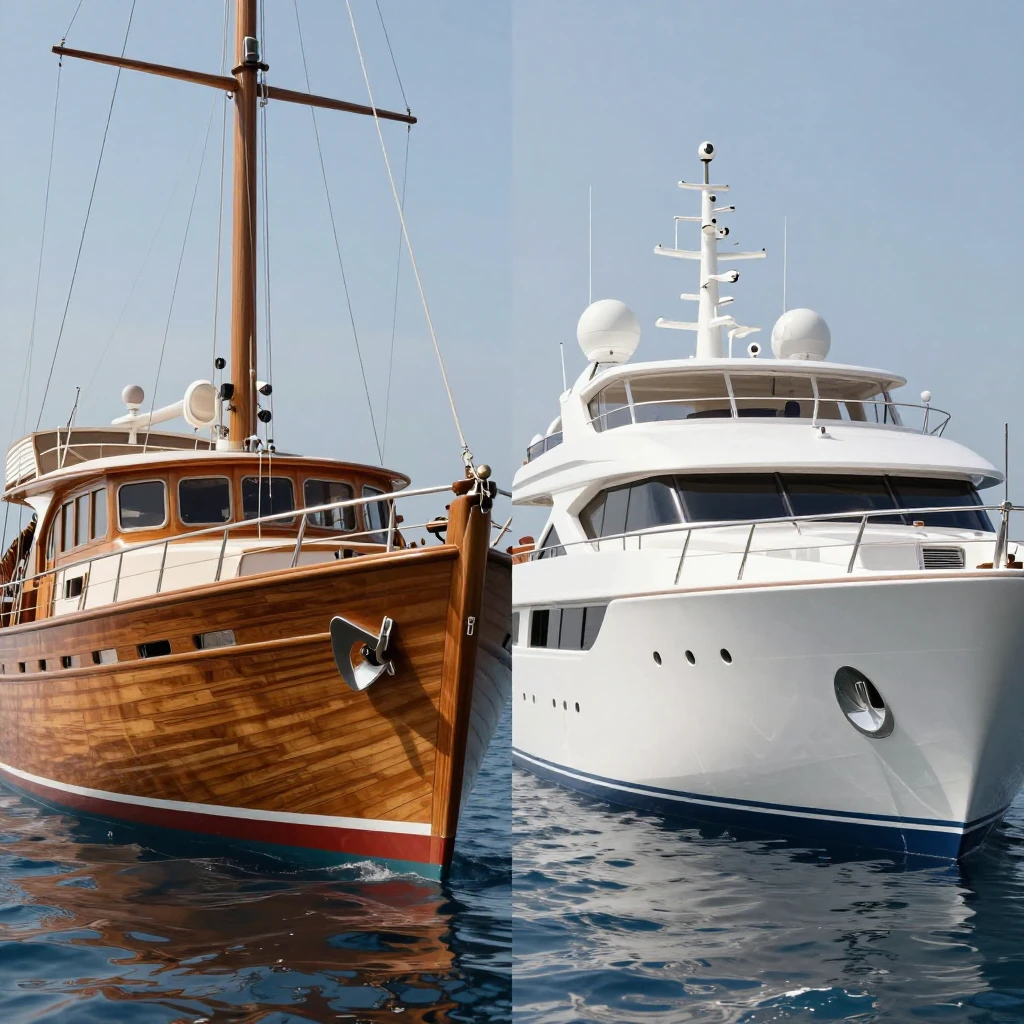
Length is the first threshold. Classics typically run 20 to 30 meters; superyachts start around 30 and climb well past 60. Beam follows from that, and beam is what you actually feel — the difference between a corridor and a salon, a narrow bench and a proper sunpad. Crew ratios diverge sharply too: a classic might carry three or four crew for six guests, while a superyacht carries ten or twelve for the same headcount. That's why service on a large vessel stops feeling like hospitality and starts feeling like anticipation. Things appear before you ask.
Then there's the aesthetic trade-off, which is real. Classic means mahogany, brass fittings, low ceilings with actual character, and deck spaces that photograph like a 1962 film set. Superyacht means open-plan interiors, floor-to-ceiling glass, a beach club that folds down at the stern, and stabilization systems that make a night at anchor feel like a hotel room. Neither is better. They're answers to different questions.
One thing worth saying plainly: classic doesn't mean budget. A meticulously restored pedigree yacht with a strong crew can price right alongside a modern build of similar length. You're paying for provenance and craft. Not for a discount.
When a Classic Yacht Is the Better Choice
Choose classic if the group is six to eight, if you want to slip into small harbors that bigger hulls simply can't enter comfortably, and if the trip is more about atmosphere than square footage. The deck becomes the living room. Guests end up talking about the boat itself, not just the view from it.
When a Superyacht Earns Its Premium
Choose a superyacht for ten or more guests, for multigenerational families who need genuinely separate spaces, for anyone who wants a gym or a spa or a proper tender garage, and for itineraries built around anchorages rather than marinas. At anchor is where the money shows up: zero-speed stabilizers, a swim platform right at water level, and enough toy storage for paddleboards, seabobs, and a tender that doesn't require a gymnastics routine to board.
How to Match a Yacht to Your Riviera Itinerary
Start with guest count and cabin configuration — not with the boat you saw on Instagram. Then ask whether your plan is marina-hopping or anchorage-based. That single question eliminates half the fleet. Water toy ambitions matter more than most people expect; a family that wants four hours a day in the water needs a hull with the storage and the crew to back it up. Dining expectations do too: a chef running tasting menus needs a proper galley and a team, and that's a superyacht conversation.
Mobility needs deserve an honest look before you commit. If someone in the group uses a cane or has trouble with stairs, a classic's narrow companionways and steep ladder to the swim platform become a daily negotiation. Modern builds with wide side decks and elevators solve that cleanly. And be realistic about time aboard versus ashore. If you're planning to leave the boat at nine in the morning and return after midnight, you're paying for amenities you won't come close to using.
For larger groups weighing crewed vessels, Monaco superyacht charter options make the trade-offs visible: you can see exactly where the extra beam and crew translate into a genuinely better week, and where they're simply more boat than your itinerary actually needs.
Three Riviera Itineraries Built Around Yacht Type
The Three-Night Monaco Loop
Monaco to Villefranche for the first night, anchoring under the cliffs with the town lit up behind you. Morning swim, then a short hop to Saint-Jean-Cap-Ferrat for lunch and a walk ashore. Third day, west to Cannes or Antibes depending on whether you want the Croisette or the old town. This is classic-yacht territory: shallow draft lets you tuck into spots a 45-meter simply can't go, and real maneuverability in a crowded harbor on a Saturday evening is worth more than a hot tub.
The Seven-Night Monaco-to-Portofino Run
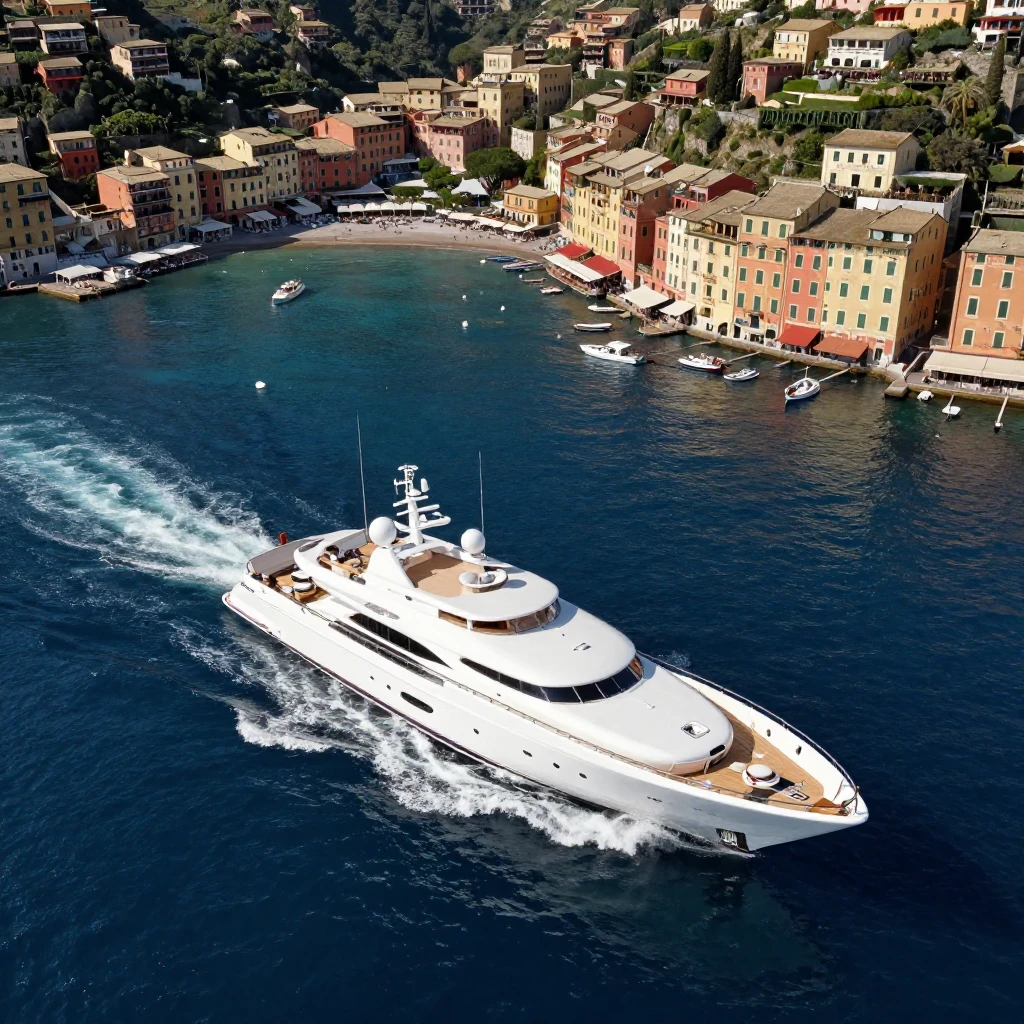
Monaco to Cannes, then Saint-Tropez — moor early or don't moor at all — then the Îles d'Hyères for two days of anchoring and swimming in water that turns an almost improbable shade of blue. From there, a Ligurian crossing to Portofino, with a stop in Portovenere if the weather cooperates. This is where a superyacht earns its premium: range, stabilization on the overnight passages, and the toy capacity to make two back-to-back anchorage days feel like a destination rather than a pause.
Budgeting, Booking Windows, and What 2026 Pricing Looks Like
The charter fee is the beginning of the number, not the end of it. On top of the base rate comes the Advanced Provisioning Allowance — an escrow for food, fuel, and beverages, usually 25 to 35 percent of the fee, reconciled against receipts at the end. Dockage in Monaco and Saint-Tropez in August is its own line item. Gratuity runs 5 to 15 percent of the base fee and is routinely underestimated by first-timers who assume it's folded in. VAT applies on French and Italian waters and isn't uniform across the two. And you're paying in euros — build a currency buffer into the plan.
Book nine to twelve months out for July and August; that's simply the standard now, not a suggestion. Late May, June, and September deliver better value, lighter harbor traffic, and — in my view — better light for the whole trip. To compare quotes on equal terms, line up base fee, APA percentage, VAT treatment, and gratuity guidance side by side rather than just the headline rates. private yacht choices in Monaco is a solid reference point for that exercise, since specs and categories are laid out consistently across vessels.
Five Mistakes American First-Timers Make
- Overpacking the guest count. Eight people in a hull built for six is a week of polite, quiet discomfort. Fix: book one cabin more than you think you need, or drop a guest.
- Treating the charter fee as the total. APA, dockage, VAT, and gratuity can add 40 percent or more. Fix: ask for an all-in estimate before signing anything.
- Ignoring stabilizer specs. Seasickness ruins trips quietly and completely. Fix: confirm whether the vessel has at-anchor stabilization if you plan to sleep on the hook.
- Booking flights before confirming embarkation day. Saturday-to-Saturday is standard in high season. Fix: lock the charter dates first, then the airfare.
- Treating crew as staff. They're the reason the week actually works. Fix: learn names, ask for their recommendations, and be generous with the tip.
FAQ
Is a superyacht worth it for a four-night trip?
Usually not. Short trips don't give you enough time to use the beach club, the toys, and the extra crew — so you end up paying for amenities you barely touch. A well-crewed classic often delivers a better four days.
Can you charter in Monaco without a boating license?
Yes. Crewed charters require no license from you at all — the captain holds the qualifications. Bareboat is a different conversation, and rarely the right answer on this coast.
What's the best month for calm seas?
June and September. July and August are magnificent but busier and hotter, and afternoon breeze builds more reliably than most people expect.
How far in advance should I book for 2026?
Nine to twelve months for peak summer. Six months is workable for shoulder season if you're flexible on the vessel.
Do I tip the crew?
Yes — 5 to 15 percent of the base charter fee is the norm, paid at the end, handed to the captain for distribution.
Conclusion
The framework is simpler than the brochures make it sound. Let guest count and itinerary ambition pick the yacht type, then let the harbor calendar pick the week. Classic for six to eight guests, small harbors, and character. Superyacht for ten-plus, anchorages, and amenities. Everything else is detail. And the 2026 season is filling earlier than most people expect — so start comparing now, while the good hulls still have open weeks in July.